


Qigong for Stress Relief — What It Is and How to Start

Updated: Jul 31
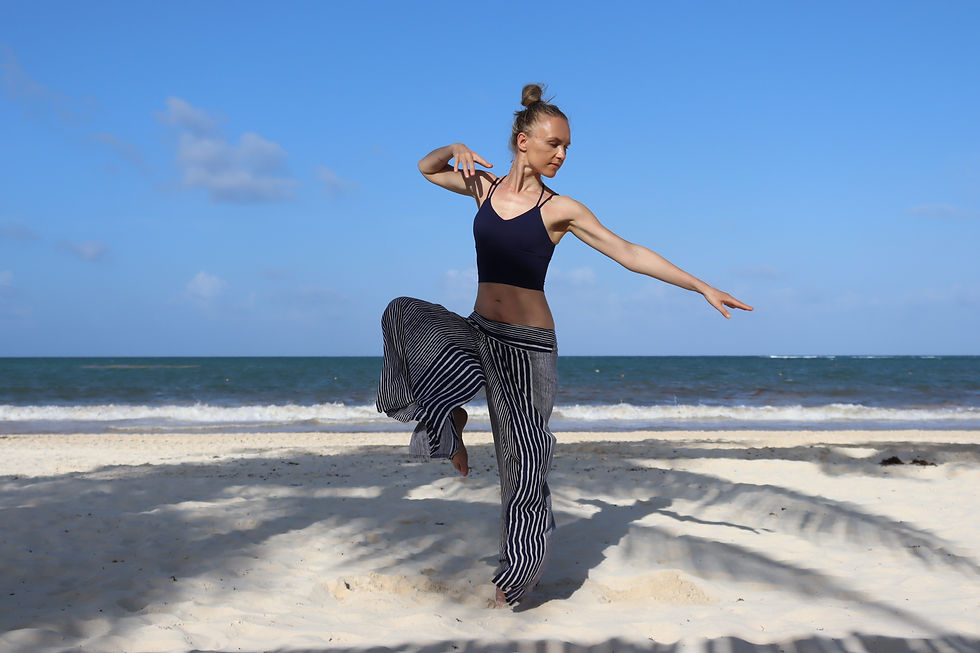
If you've never heard of qigong, you're not alone. It doesn't have the cultural footprint of yoga or meditation in the West — but among people who practice it, it has a reputation for being quietly transformative.
Qigong is one of the most effective tools I know for managing chronic stress, restoring energy, and supporting the nervous system. And unlike many wellness practices, it requires no fitness level, no flexibility, no special equipment, and very little time.
Here's what it is, what the research says, and how to start even if you've never done anything like it before.
What is qigong?
Qigong (pronounced "chee-gong") is an ancient Chinese mind-body practice that combines slow, intentional movement with coordinated breathing and mindful awareness. The word translates roughly as "cultivating life energy."
It has been practiced for thousands of years in China for health, longevity, and mental clarity — and in recent decades it has been studied extensively by Western researchers for its effects on stress, anxiety, immune function, sleep, and chronic pain.
Unlike high-intensity exercise, qigong works by calming the system rather than stimulating it. This is precisely why it's so effective for people dealing with chronic stress and burnout — the last thing an already-depleted nervous system needs is more intensity.
What does the research say?
The evidence base for qigong has grown significantly in the past two decades. Studies have found that regular qigong practice:
Reduces cortisol, the body's primary stress hormone
Activates the parasympathetic nervous system, shifting the body out of fight-or-flight
Improves sleep quality and duration
Reduces symptoms of anxiety and depression
Improves focus, working memory, and cognitive function
Reduces inflammation markers associated with chronic stress
A 2019 systematic review published in the journal Frontiers in Psychology found that mind-body practices including qigong significantly reduced burnout symptoms in healthcare workers — a population under some of the highest chronic stress of any profession.
How is qigong different from yoga or tai chi?
These practices share common roots and similar principles, but they differ in important ways.
Yoga tends to emphasize physical postures and flexibility, and many styles involve significant physical exertion. Qigong is generally gentler and more focused on energy flow and nervous system regulation than on physical conditioning.
Tai chi is actually a form of qigong, specifically developed as a martial art. General qigong is broader and includes many different styles and forms, most of which are even gentler than tai chi.
For people dealing with fatigue, burnout, or chronic stress, qigong tends to be more accessible than yoga because it doesn't require physical fitness and the learning curve is lower.
Why qigong works for stress specifically
Most stress relief tools target either the mind (meditation, therapy, journaling) or the body through exertion (gym, running). Qigong does something different — it works with the body's own regulatory systems through the combination of movement, breath, and intention.
The slow, rhythmic movement activates the vagus nerve — the main pathway of the parasympathetic nervous system. The coordinated breathing extends the exhale, which signals safety to the brain. The mindful awareness interrupts the mental rumination that keeps stress responses activated.
The result is a physiological state change, not just a mental one. This is why people often describe feeling genuinely different — calmer, lighter, clearer — after even a single session.
How to start with qigong
Start with just 10 minutes. Research consistently shows that short, regular sessions produce more lasting change than occasional long ones. Ten minutes daily is more effective than an hour once a week.
Look for a beginner class or guided session. Qigong is traditionally taught by a teacher rather than learned from a book, because the combination of breath, movement, and awareness is easier to feel than to read about. A good beginner class will walk you through every movement slowly and explain the intention behind it.
Don't worry about doing it perfectly. The nervous system benefits of qigong come from the quality of attention you bring to the practice, not from executing movements precisely. Gentle and mindful is always better than technically correct but tense.
Give it two weeks. Most people notice something shifting within two to three sessions — reduced tension, better sleep, more ease. The full benefits build over weeks and months of consistent practice.
What to expect from your first session
A typical beginner qigong session involves standing or seated movements — gentle flowing sequences synchronized with the breath. You'll likely feel a pleasant warmth or tingling in your hands, which practitioners describe as the sensation of qi (energy) moving. Your mind will quiet naturally as the coordinated movement requires just enough attention to interrupt mental chatter.
Most people finish a session feeling noticeably calmer and more grounded — without the fatigue that follows intense exercise.
FAQ
Do I need to be fit or flexible to do qigong?
Not at all. Qigong is specifically designed to be accessible to people of all ages and fitness levels. Many forms can be practiced seated. If you can breathe and make gentle movements, you can do qigong.
How often should I practice qigong for stress relief?
Even two to three times per week produces measurable benefits. Daily practice of 10 to 20 minutes is ideal for nervous system regulation and stress management.
Is online qigong as effective as in-person?
Yes — particularly for stress and nervous system regulation. The key is finding a qualified teacher and a class format that suits your level. Live online classes offer the guidance of a teacher with the convenience of practicing from home.
Curious about Qigong? Interested in trying it out?
The best way to experience the benefits of qigong is through consistent practice—even just a few minutes each day can make a meaningful difference over time.
Visit my YouTube channel for free guided qigong sessions, breathing exercises, meditation, and nervous system reset practices designed to help you reduce stress, restore energy, and build resilience.
If you find the videos helpful, subscribe so you never miss new practices and wellness tips to support your journey.


Comments